
Vestibular Physiotherapy & Concussion Management
Regain your balance, confidence, and ability to get back to the activities you enjoy
Vertigo, dizziness, balance problems, and post-concussion symptoms can make everyday activities feel challenging. Vestibular physiotherapy can help you understand what may be contributing to your symptoms and provide a structured plan to help you safely return to the activities that matter to you.
At Bodyworx, we use individualized assessment and rehabilitation to address vestibular and concussion-related symptoms. Treatment is tailored to your symptoms, activity level, and goals, whether you're looking to return to work, school, exercise, sport, or everyday activities.
What is Vestibular Physiotherapy?
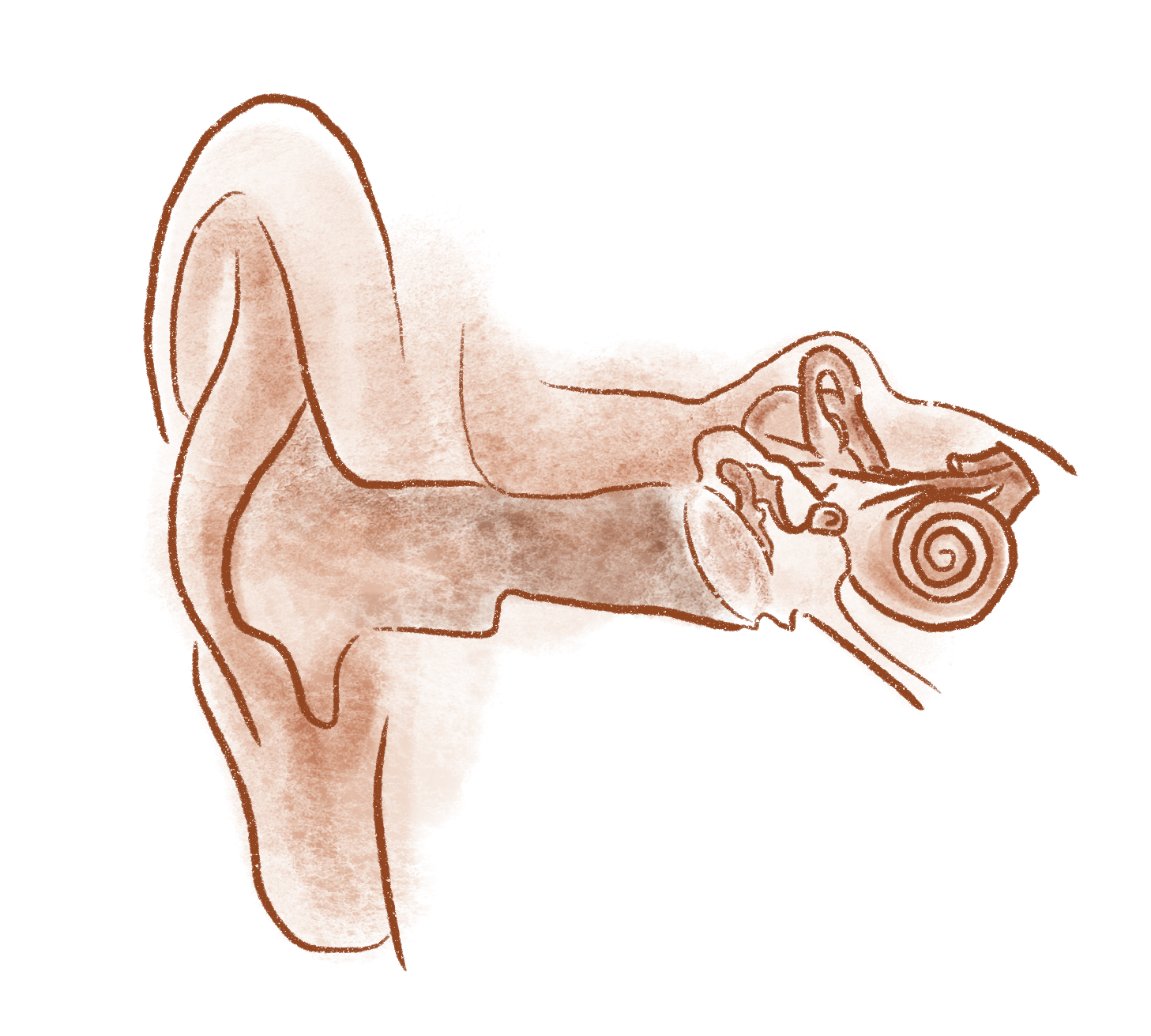
The vestibular system is part of your balance system and includes structures in your inner ear and the brain that help you understand where your body is in space and how it is moving.
When this system isn't working properly, you may experience dizziness, vertigo, imbalance, motion sensitivity, or difficulty coordinating your vision and head movements.
Vestibular physiotherapy involves assessing how your balance, vision, inner-ear system, and movements interact. Your physiotherapist can then develop a treatment program designed to address the specific factors contributing to your symptoms.
Treatment may include specific eye and head exercises, balance training, habituation exercises, repositioning techniques, and gradual exposure to movements or activities that currently bring on symptoms.
What conditions can Vestibular Physiotherapy help with?
Vestibular physiotherapy may be helpful for a variety of conditions, including:
Benign Paroxysmal Positional Vertigo (BPPV)
Concussion and persistent concussion-related symptoms
Balance and gait problems
Motion sensitivity
Persistent dizziness following an illness or injury
Neck-related dizziness
Frequently asked Questions
-
Your physiotherapist will begin with a detailed discussion about your symptoms, how they started, and how they are affecting your daily activities.
Depending on your symptoms, your assessment may include testing of your eye movements, balance, coordination, head and neck movement, positional responses, and tolerance to physical activity.
Your physiotherapist will then explain their findings and develop an individualized treatment plan with you.
-
Certain types of vertigo, including Benign Paroxysmal Positional Vertigo (BPPV), can respond very well to physiotherapy.
BPPV occurs when small crystals within the inner ear become displaced and cause brief episodes of vertigo with certain head movements. Specific assessment and repositioning techniques can often help resolve these symptoms.
Not all dizziness is caused by BPPV, however, so an appropriate assessment is important.
-
In most cases, you can book directly with a physiotherapist without a physician referral. However, some insurance plans may have specific requirements for reimbursement.
If you have questions about whether physiotherapy is appropriate for your symptoms, we are happy to discuss this with you.
-
Whether you're dealing with dizziness, balance problems, vertigo, or concussion-related symptoms, the right assessment can help you understand what's happening and determine the next steps.